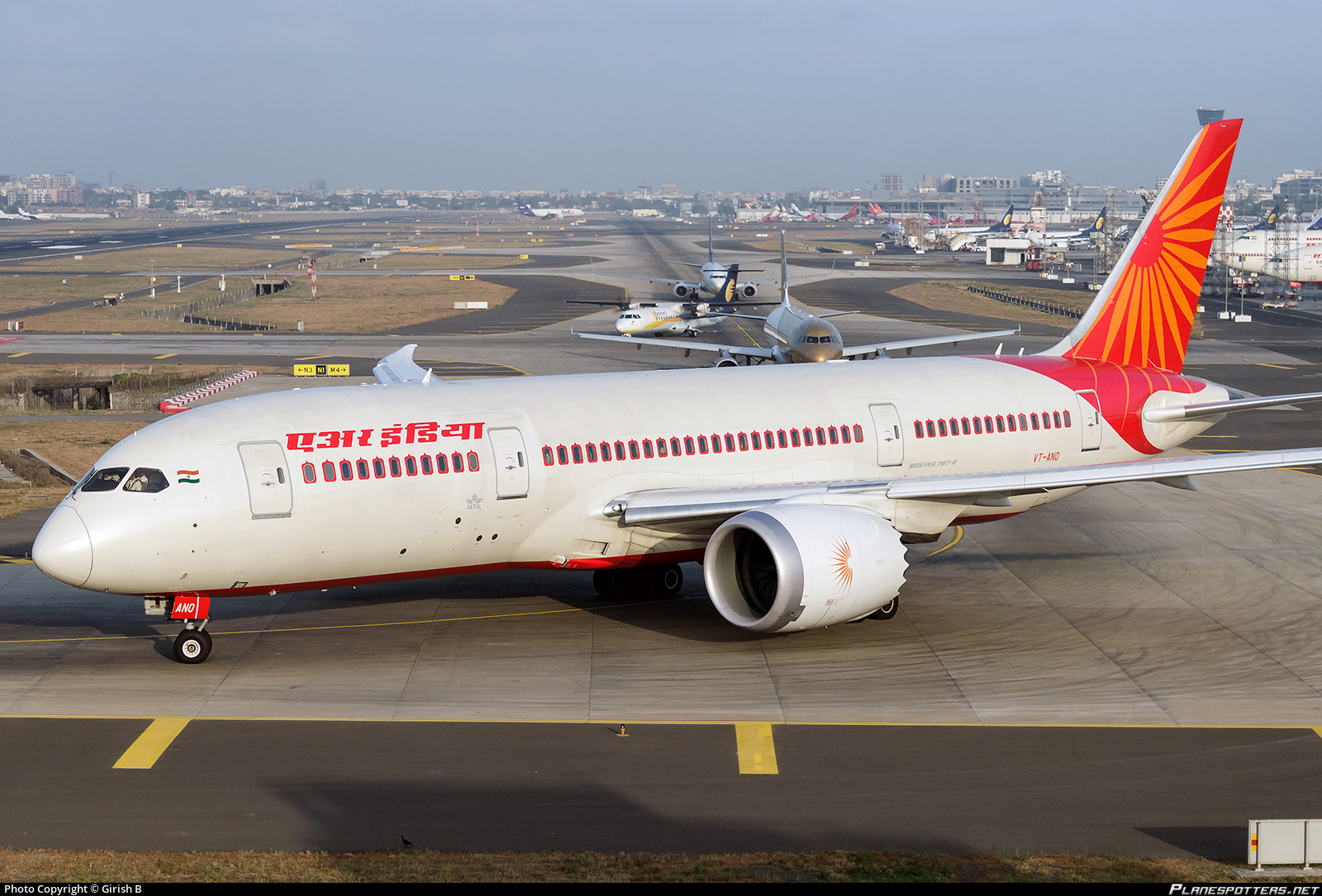
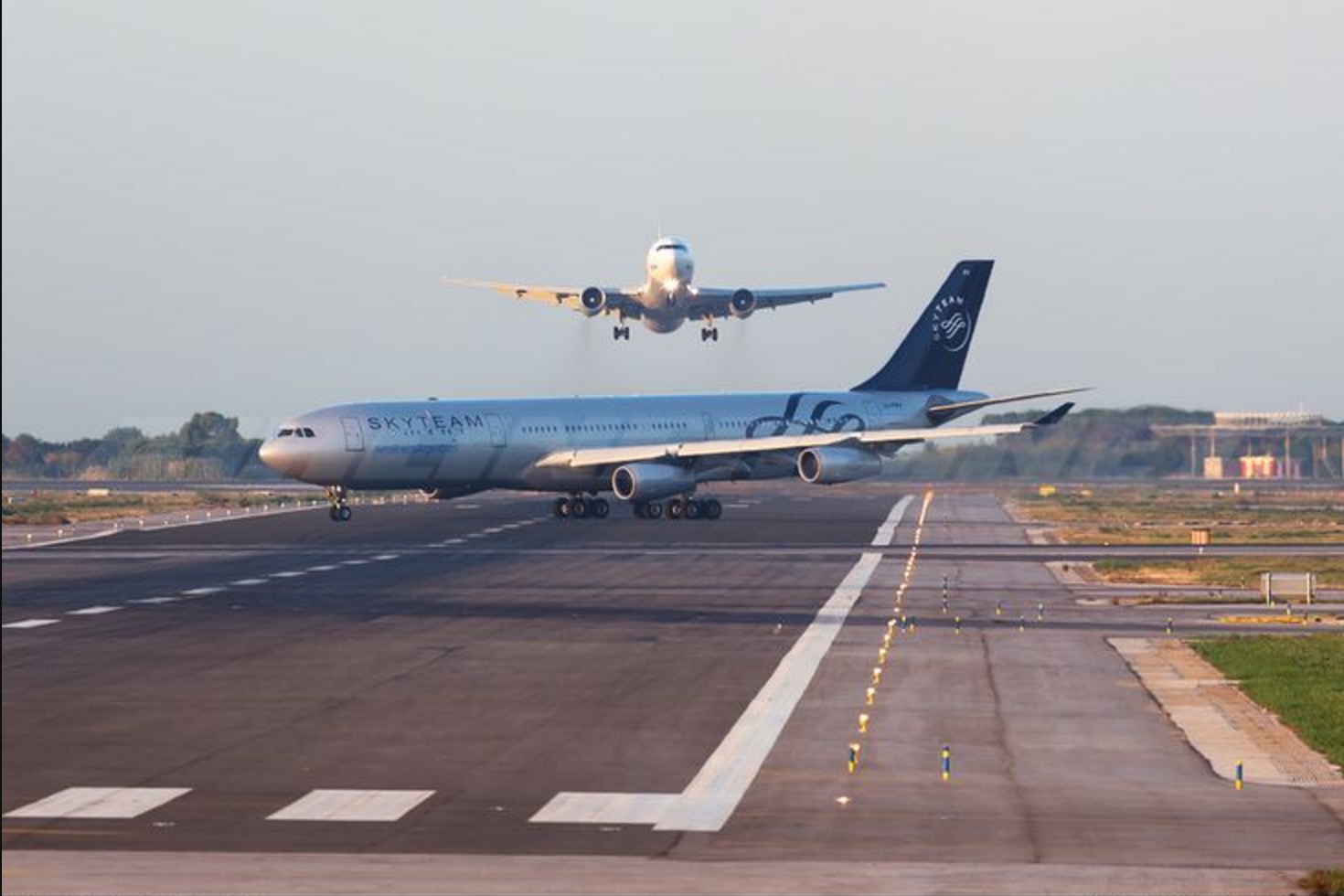
Airliners (commercial passenger jets), the fuel type is turbine/jet fuel, almost always Jet A-1 (Kerosene-based) worldwide.
Why Airliners Use Jet A-1?
-
High energy density → allows longer flights.
-
Low freezing point → suitable for high-altitude flights.
-
Stable and less volatile → safer for large passenger operations.
-
Compatible with turbine engines (turbofans, turbojets, turboprops).
Fuel used in Car vs Fuel used in Airplanes
Car fuel is lighter and more volatile, meaning it evaporates and can catch fire easily while Jet A‑1 is heavier and more stable, burns steadily, and is safer for big jets. Both provide energy, but Jet A‑1 is designed to keep a big plane flying smoothly for hours. Car fuel is optimized for shorter trips at lower speeds. Jet A‑1 is less flammable than petrol, which makes it safer to store and handle in large quantities. Car fuel needs more care because it can ignite easily.
Freezing & Boiling Points
| Fuel | Freezing Point | Boiling Point |
|---|---|---|
| Gasoline | −60°C | ~30–225°C |
| Diesel | −10 to −35°C | 180–360°C |
| Jet A‑1 | −47°C | 150–300°C |
Volatility & Safety
| Aspect | Car Fuel | Jet A‑1 |
|---|---|---|
| Volatility | High (evaporates easily) | Low (stable under heat/pressure) |
| Flash Point | Gasoline: ~−43°C; Diesel: ~52°C | ~38°C |
| Risk | Highly flammable, explosive vapors | Flammable but safer than gasoline in storage/handling |
Gasoline (Petrol)
-
Price: Approximately $1.16 per liter
Jet A-1 Aviation Fuel
-
Price: Approximately $0.55 per liter
Fun Fact:
-
One liter of Jet A-1 can keep a Boeing 737 flying for about 1 minute at cruise speed.
-
A car’s 1 liter of petrol can take it 50–60 km on the road.
Now you know why Car fuel is not used in Airplanes