Aircraft air conditioning is an essential system that ensures passenger comfort and safety at high altitudes, where outside temperatures can drop to –50°C or lower and the air pressure is far too low for humans. The system primarily relies on engine bleed air, which is high-pressure, high-temperature air extracted from the compressor stages of the engines or sometimes from the Auxiliary Power Unit (APU). This bleed air contains enough energy to power multiple aircraft systems, including air conditioning, pressurization, engine starting, and anti-icing.


Learn about basic principle here – Click Here!
The hot bleed air cannot be used directly in the cabin, so it first passes through pre-coolers and air cycle machines (ACMs). The ACMs expand and cool the air using outside ram air in a process similar to refrigeration but without conventional refrigerants like Freon. This cooled air is then mixed with filtered, recirculated cabin air, creating a balance of fresh and recycled air that maintains a comfortable temperature, adequate humidity, and safe oxygen levels. The Environmental Control System (ECS) continuously monitors and adjusts these conditions, controlling the flow and pressure to ensure the cabin remains at a safe equivalent altitude, usually around 6,000 to 8,000 feet even when the aircraft is cruising at 35,000 feet.
Once conditioned, the air is distributed through overhead vents and diffusers, circulates throughout the cabin, and exits through outflow valves that regulate cabin pressure. The cabin air is completely refreshed every two to three minutes, which is faster than most hospital operating rooms. In addition to temperature and pressure control, bleed air also powers anti-icing systems, heating wings, engine inlets, and other surfaces to prevent ice accumulation at high altitudes.
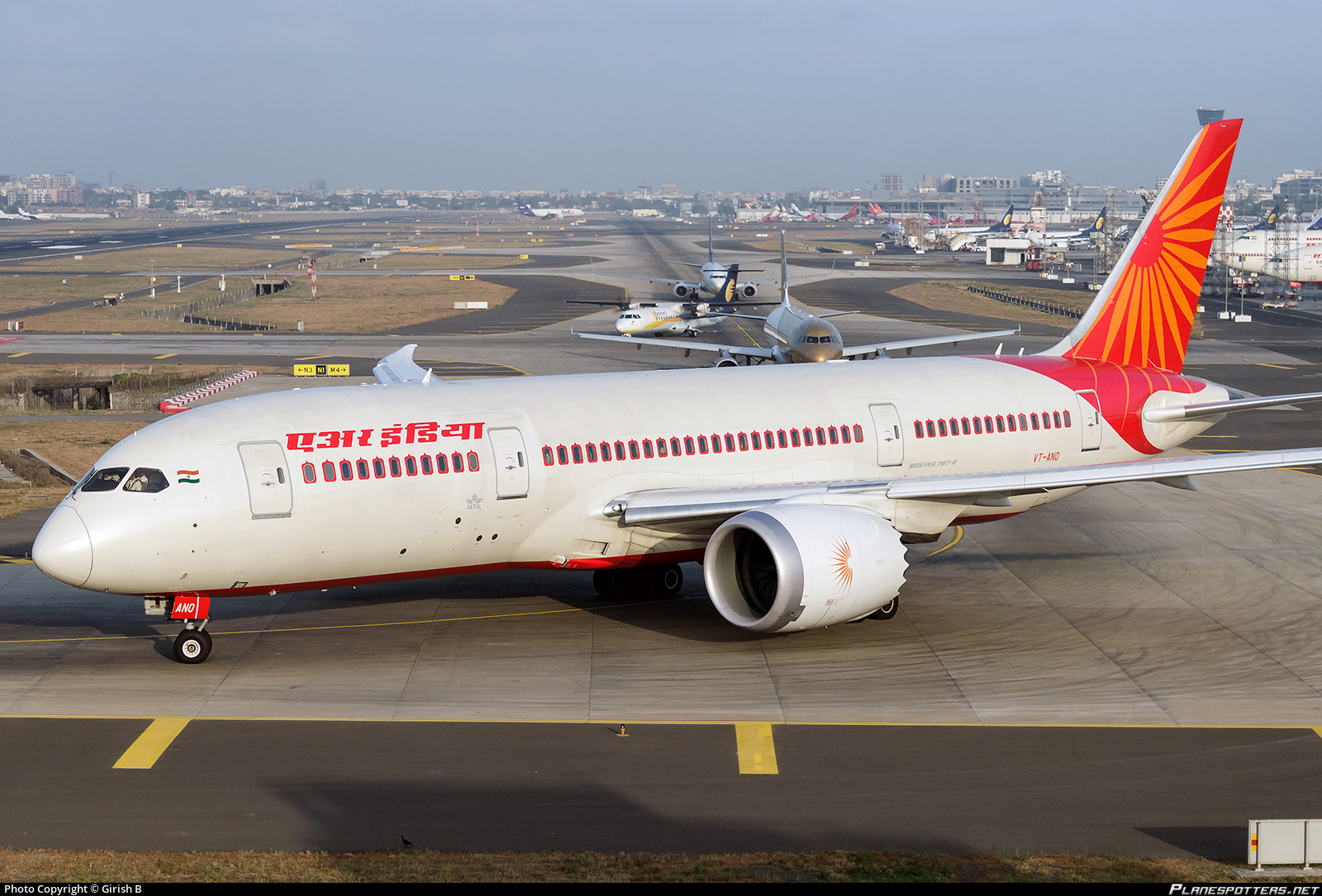
Modern aircraft, such as the Boeing 787 Dreamliner, have moved to bleedless systems, using electric compressors to provide conditioned air instead of relying on engine bleed air. This reduces fuel consumption, system weight, and the risk of contamination, while also allowing for slightly higher humidity levels, making long-haul flights more comfortable.

Optimum cabin temperature is maintained around 22°C to 24°C (72°F to 75°F), which is considered comfortable for the majority of passengers.
The Environmental Control System (ECS) divides the cabin into zones—cockpit, business class, economy, and sometimes even galley areas—so that temperatures can be adjusted independently. Pilots or the system automatically regulate these zones, since different parts of the aircraft heat and cool differently during flight.

In essence, while a car’s air conditioning uses a compressor powered by the engine belt, aircraft air conditioning taps into the engine’s compressed air, cools and conditions it, and distributes it throughout the cabin to maintain a safe and comfortable environment for passengers and crew, even in the harsh conditions of high-altitude flight.