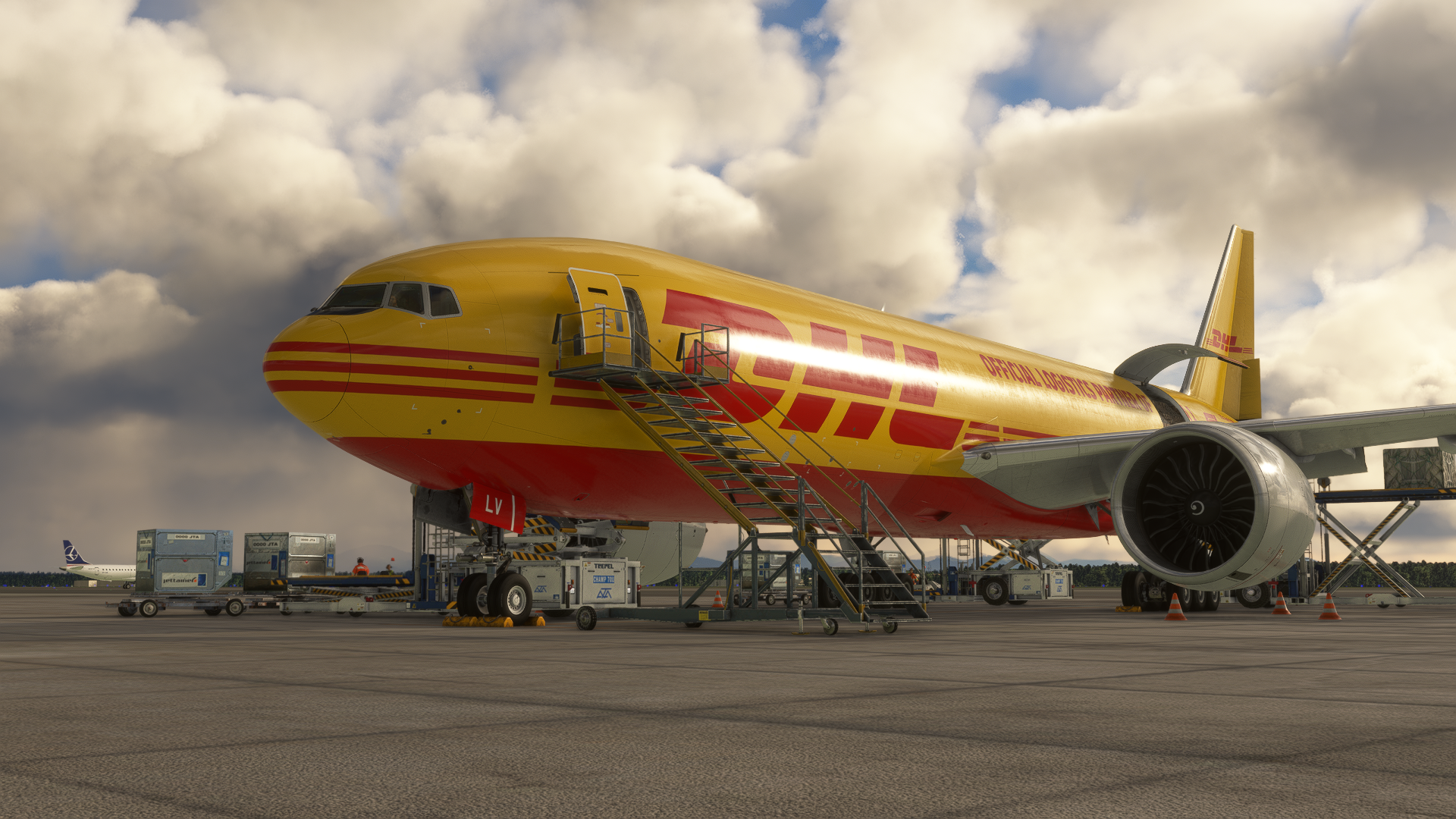
When Formula 1 heads to races outside Europe, DHL takes on the massive task of moving between 1,200 and 2,000 tons of freight by air. This cargo isn’t just the cars—it also includes spare chassis, engines, gearboxes, tires, fuel, broadcast equipment, IT systems, mobile garages, and even hospitality setups that teams can’t duplicate with sea freight. To move all of this, DHL relies on its Boeing 777 Freighters, long-haul aircraft capable of carrying around 100 tons each on non-stop intercontinental routes. Some events, such as the US Grand Prix in Austin, have required more than ten separate flights.

The equipment is packed into special air freight containers that fit neatly inside the aircraft and keep sensitive components safe. Teams also use a color-coded system so containers can be tracked easily across multiple race locations. Timing is everything: freight has to arrive at the circuit three to four days before race weekend, and as soon as the race ends, everything is dismantled and loaded back onto aircraft the very same night. Even the smallest delay could affect the next round of the championship.
Sustainability has become a major focus for DHL’s F1 operations. The company has begun using Sustainable Aviation Fuel (SAF) on select flights, cutting carbon emissions by up to 80%. The introduction of more efficient 777Fs has further reduced fuel burn, while teams now ship duplicate non-essential gear by sea to limit air cargo needs.

A typical long-distance race in Asia or the Americas involves multiple 777 freighters departing from hubs such as Heathrow, Frankfurt, or Milan. Once the planes land, more than 80 flatbed trucks carry the containers straight to the circuit. After the race, the whole process is reversed with military-like precision.
In simple terms, DHL’s air transport is the engine that keeps Formula 1 moving around the world—combining big freighters, sustainable fuel, and exact scheduling to ensure every car part, tool, and camera is in place before the lights go out.