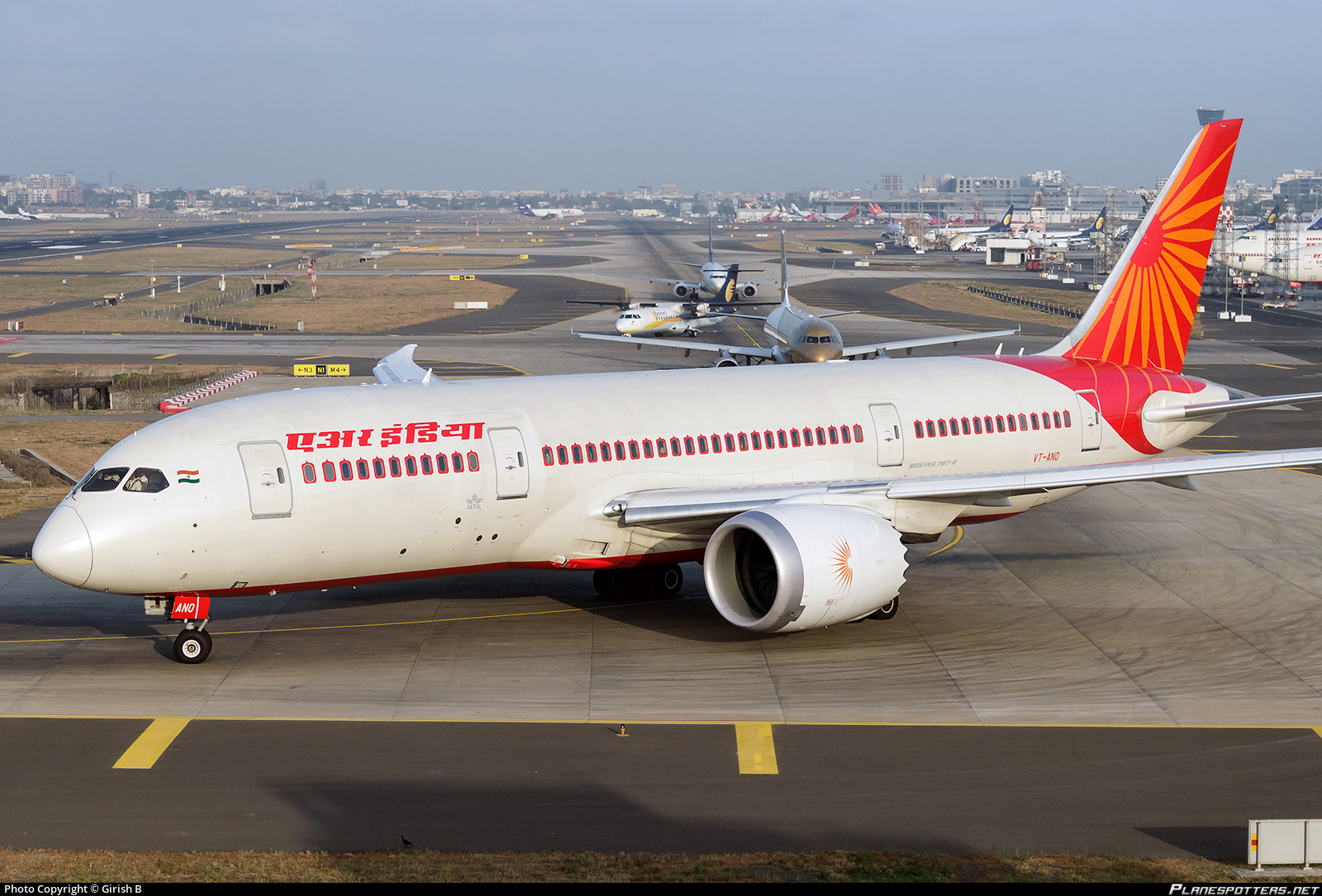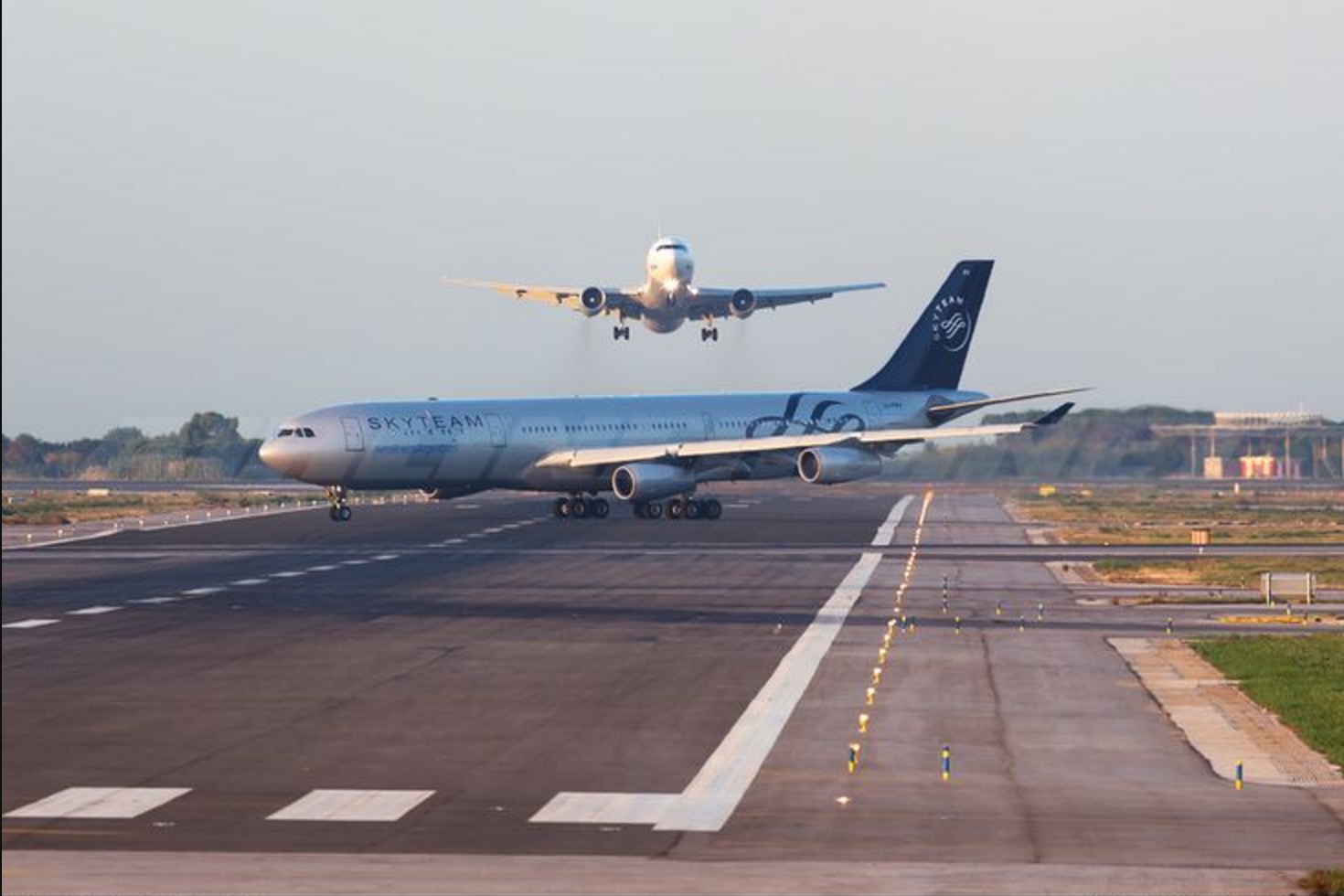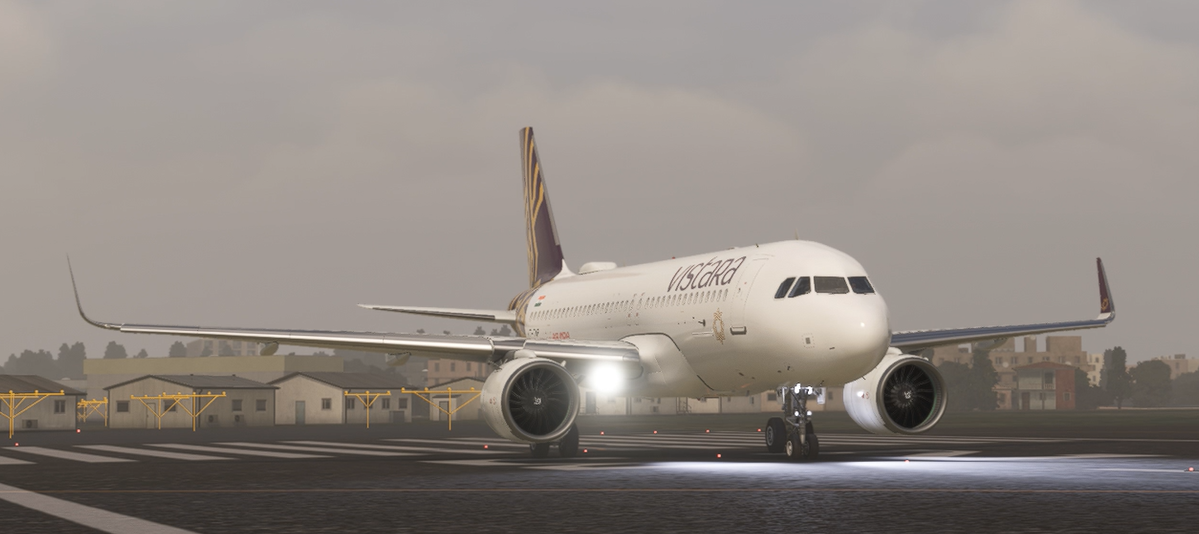
When a commercial airliner lines up on the runway, the engines are not immediately pushed to full power. Instead, pilots first bring them to a stable thrust setting before commanding takeoff power. This step, though lasting only a few seconds, is a crucial part of aviation safety and performance.
The Purpose of Stabilizing Engines
1. Ensuring Proper Engine Health
At stable idle or low thrust, pilots check that all engine readings are normal. Parameters like exhaust gas temperature (EGT), engine rotational speeds (N1/N2), oil pressure, and vibrations must be within limits. Any irregularity at this stage signals a possible fault before high power is applied.
2. Preventing Asymmetric Thrust
Jet engines do not always spool up at the exact same rate. If one engine accelerates faster than the other, the aircraft could yaw sharply during the initial takeoff roll. Stabilizing ensures both engines respond uniformly when maximum thrust is applied.
3. Avoiding Compressor Stall or Surge
Engines require smooth airflow. A sudden jump from idle to takeoff thrust can cause airflow disruption, leading to compressor stalls. Stabilizing the engines first allows air and fuel flow to settle, ensuring a smooth transition to full power.
4. Guaranteeing Performance Accuracy
Airline performance calculations—such as takeoff distance, speeds, and climb gradients—are based on engines reaching full thrust consistently. Stabilization helps confirm that thrust will be delivered exactly as planned, without delay.
How Pilots Do It
-
Once cleared for takeoff, pilots advance the throttles (or thrust levers) to a setting just above idle—typically around 40–50% N1 (fan speed).

ECAM of airbus a320 neo showing 40% N1 -
They pause briefly, usually for 2–3 seconds, monitoring instruments to ensure both engines stabilize evenly.
-
After confirming stability, the thrust levers are advanced to takeoff power (either full thrust or a derated setting as per performance requirements).
-
Autothrottle systems, if engaged, take over and set precise takeoff thrust.
This short procedure ensures both engines are synchronized, healthy, and ready to deliver maximum, reliable power for a safe departure.
Conclusion
Engine stabilization before takeoff may look like a small pause to passengers, but it plays a big role in flight safety. By giving engines a chance to settle before applying full power, pilots reduce risks of yaw, performance shortfalls, or engine instability—ensuring the aircraft accelerates smoothly and safely into the sky.
Read more about the incident occured during takeoff when pilots avoided this technique – Read here