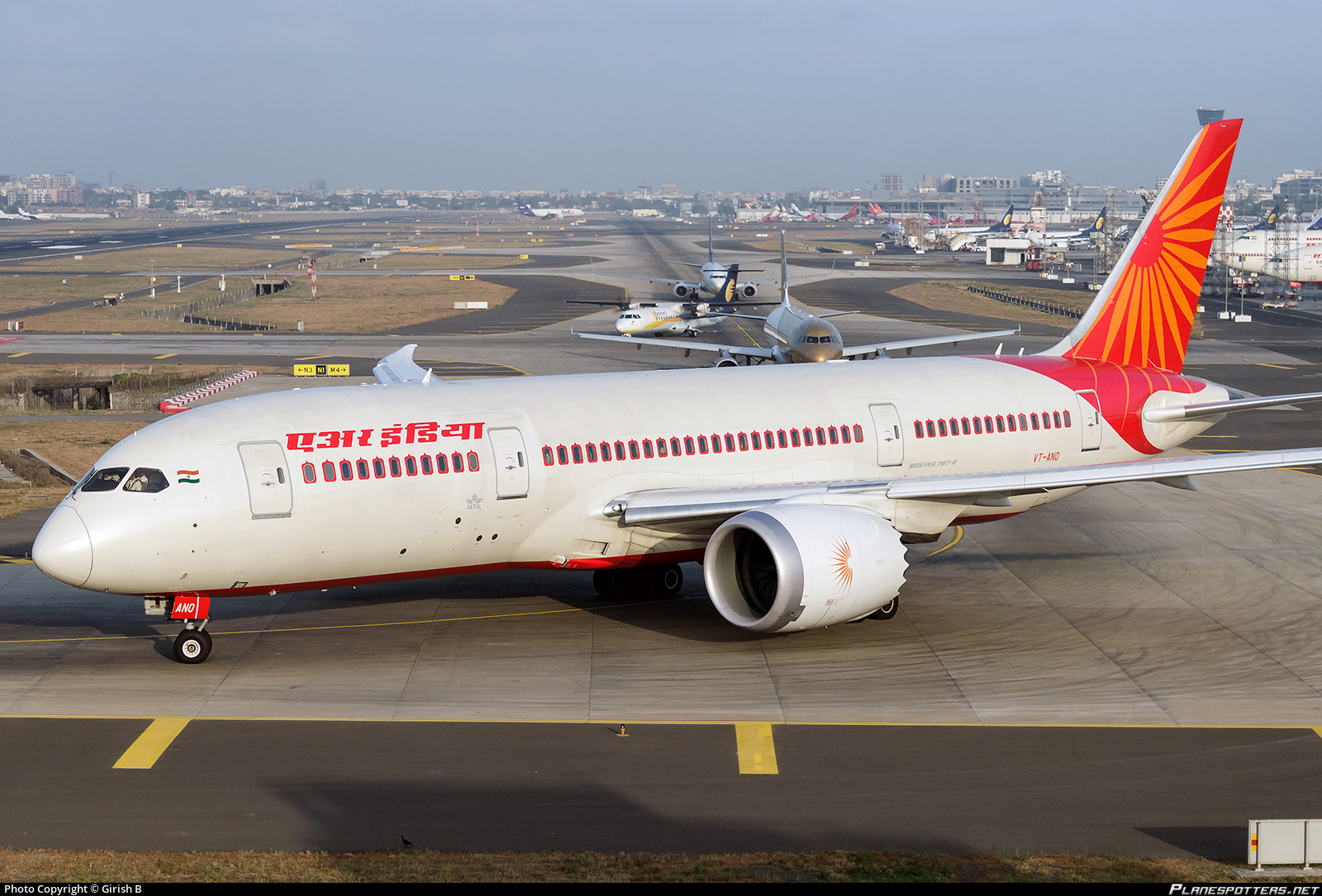
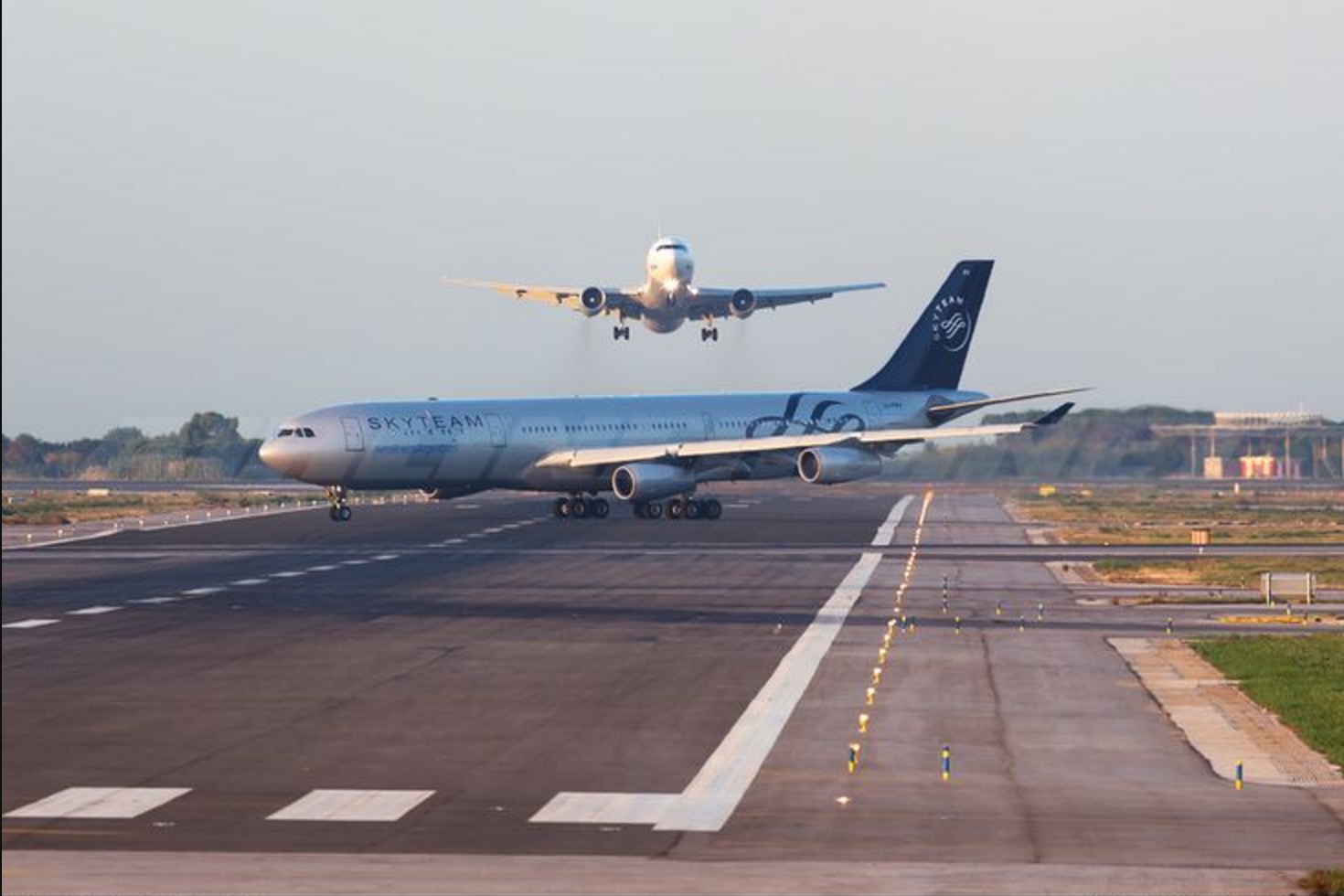
Secondary flight controls are sophisticated systems integrated into aircraft to fine-tune handling, augment aerodynamic efficiency, and improve both safety and comfort across different phases of flight.
Secondary flight controls are distinguished from primary controls—which govern the aircraft’s three main axes (pitch, roll, yaw)—by their auxiliary roles. These controls are not essential for mere directional movement but critically enhance performance, stability, and workload distribution for the pilot.
Types of Secondary Controls
-
Flaps: They are mounted on the trailing edge ( and/or leading edge) of wings. Flaps significantly increase both lift and drag when extended.
-
Slats / Slots: They are positioned on the wing’s leading edges and function by re-energizing the airflow over the wing during high angles of attack.
-
Spoilers / Speed Brakes: They are installed on the upper wing surface and increase drag by disturbing the airflow.
-
Trim: They are attached to primary control surfaces and reduce the force required to maintain an attitude. Thereby, often referred to as poor man’s autopilot.
- Balance Tabs: Their function is to counteract the aerodynamic force on the main control surface, hence reducing the force a pilot needs to move the control.
Flaps
Flaps are high-lift devices commonly installed on the trailing edge of aircraft wings, and they play a crucial role in increasing lift and increasing drag during takeoff, approach, and landing by increasing the camber of the wing. It also:
- Allows steeper approaches and takeoff
- Reduces takeoff and landing distance
- Provide better view of the runway during approach phase

Let’s look at different types of leading and trailing edge flaps:
Leading Edge Flap Types
-
Krueger Flaps: Hinged panels that deploy from underneath the leading edge to increase camber and enhance lift during takeoff/landing; typically seen on commercial jets like the Boeing 747.

Kreuger Flaps on Boeing 747 -
Droop Flaps: The entire leading edge rotates downward to increase lift and delay stall, beneficial during low-speed phases on certain aircraft designs.

Droop Flaps on A380
Trailing Edge Flap Types
-
Plain Flap: Simple hinged panels attached to the trailing edge, swinging downward to increase wing camber and lift, but causing significant drag; common in light aircraft.

Plain Flaps on DA40 (Split Flaps along the Fuselage) -
Split Flap: The lower surface drops while the upper stays fixed, generating more drag and acting as an air brake with moderate lift enhancement; frequently used in older/vintage aircraft.

Evektor-Aerotechnik Sportstar C-ILUV 08 showing split flap -
Slotted Flap: Creates one or more slots as it extends, allowing airflow through gaps, sustaining lift at higher angles and delaying stall—used on many commercial planes.

Single Slotted Flaps on C172 -
Fowler Flap: Slides rearward before hinging down, increasing both surface area and camber for substantial lift with moderate drag; favored in high-performance and large commercial aircraft.
-
Multi-Slotted Flap: Consists of two or more slots for maximum lift, found on major airliners needing powerful slow-speed performance.

B-747 with Fowler flaps (with multiple slots)
Slats / Slots
Slats are mounted on the leading edge of each wing. When extended, slats move forward and sometimes downward, opening a gap at the wing’s front which re-energizes the airflow over the wing at low speeds. Slats are especially common on large commercial jets, where they’re deployed during takeoff and landing to prevent stall and optimize wing efficiency.

Spoilers / Speed Brakes
Spoilers are panels fitted on the upper wing surface that disrupt smooth airflow when deployed. Speed brakes are specific spoilers dedicated to rapid deceleration, especially in approach and landing stages.
Their primary effect is a rapid decrease in lift and increase in drag, which can be used to:
-
Steepen descent or shorten landing roll by increasing drag.
-
Assist in braking after touchdown.
-
Aid lateral control by differentially deploying spoilers, helping roll the airplane (often called “roll spoilers”).

Trim
Trim devices—located on elevator, rudder, or aileron—reduce the force required to maintain an attitude, lessen pilot fatigue, and promote precise control. Some airplane models feature ground-adjustable tabs for pre-flight fine tuning while others may have variable trim control to reduce control forces inflight.
-
Elevator trim adjusts pitch, letting pilots maintain level flight or a climb/descent attitude without constant yoke/stick force.

-
Rudder trim counteracts yaw from engine torque, unequal thrust, or crosswinds, keeping the aircraft on a straight path without steady pedal pressure.

-
Aileron trim is used to correct minor rolling tendencies from uneven fuel or external loads, helping maintain level wings with reduced pilot effort.

Balance Tabs
Balance tabs are small adjustable tabs fitted on the trailing edge of primary control surfaces such as elevators, ailerons, or rudders. Their function is to counteract the aerodynamic force on the main control surface, reducing the force a pilot needs to move the control. These tabs are critical on aircraft with larger or heavier control surfaces, and their placement is generally on the trailing edge of the control surface itself—rather than the wing—often adjacent to or in combination with trim tabs.
Balance Tab

Balance tabs are connected to the primary control surface so that when the main surface moves, the tab automatically deflects in the opposite direction. This opposing motion generates an aerodynamic force that assists the pilot, reducing the stick force required to maneuver the control surface, which is especially valuable in larger aircraft where manual control loads are substantial.
Anti-Balance Tab

Anti-balance tabs are also mechanically linked to the control surface, but they move in the same direction as the main control surface. This motion enhances the aerodynamic moment, increasing control effectiveness and stick force, making the surface feel more responsive while requiring more pilot effort—a feature useful for stabilizing flight controls against over-sensitivity.
Servo Tab

Servo tabs are directly operated by the pilot through cockpit controls, typically on larger aircraft. The tab moves opposite to the desired movement of the control surface, and the airflow deflected by the tab helps move the entire control surface, reducing the pilot’s force required.
Spring Tab

Spring tabs provide additional assistance to move control surfaces on larger planes, using springs connected to the control horn. As pilot input increases and control loads become higher at greater airspeeds, the spring tab deflects in the opposite direction, boosting the movement of the control surface and decreasing control force; but at low speeds, the tab is deflected in the same direction as the control surface and hence more stick force is required by the pilot.

Conclusion
Secondary flight controls are indispensable tools for enhancing both day-to-day aircraft operability and safety. From mechanical trim tabs in a Cessna 172 to sophisticated fly-by-wire flaps on a Boeing 787, they enable pilots to adapt dynamically, minimize workload, and respond to unique operational demands. Proper understanding, use, and care of these systems is essential for every aviator and aircraft engineer.